Dangers of BB Gun
📅 2026 Update: Changes in Product Liability and Consumer Safety
Since the original article was published, there have been key changes in the area of product liability law and consumer safety. Notably, the introduction of the Restatement (Third) of Torts: Products Liability in 2024 has refined how product defects are evaluated. This update aims to inform readers about these changes and their implications, while the earlier article continues further down the page.
⚖️ New Legal Framework
The Restatement (Third) of Torts: Products Liability published in 2024 offers a clearer framework for assessing product defects. The focus is now on risk-utility analysis for design defects. This means that courts will weigh the risks of a product against its benefits to determine if it is defectively designed.
⏰ Changes in Processing Times
Product liability cases can take a long time to resolve, often several months to years. The duration depends on factors such as case complexity and whether the case goes to trial. The legal landscape surrounding these cases continues to evolve, so staying informed is essential.
🕒 Statute of Limitations
The statute of limitations for filing a product liability claim typically ranges from one to four years, depending on the state. For instance, in California, you have two years from the date of injury to file your claim. Understanding these deadlines is crucial for anyone considering legal action.
📄 Filing a Claim
To initiate a product liability lawsuit, you must file a complaint in the appropriate state or federal court. This complaint should detail the defect, injury, and damages. Knowing the steps involved can help streamline the process for those affected by defective products.
💰 Legal Fees and Costs
In product liability cases, contingency fees typically range from 33% to 40% of the recovery amount. Additionally, expert testimony can cost $25,000 or more, especially in design defect cases. Being aware of these potential costs is important when considering a lawsuit.
📌 Key Takeaways
- ⚖️ New legal framework emphasizes risk-utility analysis for product defects.
- ⏰ Processing times for cases can span months to years.
- 🕒 Statute of limitations varies and is crucial for filing claims.
- 📄 Initiating a claim requires filing a detailed complaint.
- 💰 Legal fees and expert costs can be substantial.
💡 Tips for Navigating Product Liability Claims
Reviewing your situation carefully with an attorney is essential to understand your options.
📋 Understand Product Defects
Familiarize yourself with the three categories of product defects: design defects, manufacturing defects, and marketing defects. Knowing these can help you identify if your injury is linked to a defective product.
📅 Know Your State Laws
Product liability laws differ by state. Research your state's specific laws regarding statutes of limitations and available defenses to strengthen your claim.
🗃️ Document Everything
Keep detailed records of the product, your injury, and any communications related to your claim. This documentation is vital for supporting your case during the legal process.
👩⚖️ Explore Free Legal Aid
Look for organizations like the Legal Services Corporation that provide free legal assistance to those who qualify. These resources can help if you face financial barriers.
🔄 Consider Alternative Dispute Resolution
If you want to resolve your product liability dispute without going to court, explore methods like mediation or arbitration. These alternatives can save time and costs.
🛡️ Review Insurance Policies
Check your insurance policies to see if they cover injuries caused by defective products. This could provide additional financial support if you decide to pursue a claim.
🏆 Free Options Ranked by User Reviews (2026)
Currently, there are no national paid services that met the review threshold for this topic. Instead, this section highlights free government and nonprofit resources available to those seeking help with product liability issues.
🥇 1. Legal Services Corporation
The Legal Services Corporation (LSC) offers free legal assistance to low-income individuals. They help with various legal issues, including product liability cases. LSC can connect you with local legal aid organizations that provide support tailored to your needs.
🥈 2. Federal Trade Commission
The Federal Trade Commission (FTC) provides resources and guidance on consumer rights and product safety. They help consumers understand their rights regarding defective products and offer tools for reporting issues.
🥉 3. State Consumer Protection Offices
State consumer protection offices assist residents with product safety concerns and legal rights. These offices can provide information on how to file complaints against manufacturers or sellers.
4️⃣ Consumer Advocacy Groups
Various consumer advocacy groups promote consumer rights and product safety. They often provide educational resources and can guide you in navigating legal issues related to defective products.
5️⃣ Product Liability Databases
Utilizing product liability databases is essential for tracking recalls and safety information. These databases keep consumers informed about defective products and help them take action when necessary.
🔎 What to Check Before Paying for Help
- 💵 Understand the fee structure before hiring anyone.
- 📜 Verify the qualifications and experience of the provider.
- 📞 Check reviews and testimonials from previous clients.
- ⚖️ Ensure the provider specializes in product liability cases.
❓ Frequently Asked Questions
❓ What is product liability?
Product liability refers to the legal responsibility of manufacturers and sellers for injuries caused by defective products. Consumers can seek compensation if they are harmed by such products.
🕒 How long do I have to file a product liability claim?
The statute of limitations for filing a claim typically ranges from one to four years, depending on the state. It is crucial to be aware of your state's specific deadlines.
🛡️ What types of defects can lead to a claim?
Defects can be categorized into design defects, manufacturing defects, and marketing defects. Each type has specific legal considerations and requirements for proving liability.
⚖️ What is strict liability?
Strict liability means that manufacturers and sellers can be held responsible for defective products without having to prove negligence. This holds them accountable regardless of intent or care taken.
📄 Do I need an attorney for a product liability case?
While it's not legally required, having an attorney can help navigate the complexities of product liability cases and improve your chances of a successful outcome.
⏰ What are punitive damages?
Punitive damages are awarded in cases of gross negligence or willful misconduct. They aim to punish the defendant and deter future wrongdoing, separate from compensatory damages for injury.
⚖️ Recent Court Cases Related to Product Liability
Recent court rulings have clarified aspects of product liability law, impacting how claims are evaluated. Understanding these rulings can help consumers navigate their rights and responsibilities.
- Delaware court affirms dismissal of negligence case against driverSuperior Court of Delaware · August 25, 2026
- Ohio court rules against patient in mental health negligence caseOhio Court of Claims · August 10, 2026
- Court rules on liability in golf club injury case in TexasTexas Court of Appeals, 3rd District (Austin) · October 16, 2026
- New Jersey court rules on uninsured vehicle accident claimsNew Jersey Superior Court Appellate Division · February 27, 2023
For more recent rulings, you can browse more rulings on the news page.
End of October 2026 Update
The Dangers of BB Guns: A Comprehensive Guide
BB guns have been a staple of childhood play for generations. They offer the thrill of shooting a gun without the danger or cost associated with real guns. However, many people do not realize the potential danger these items can pose. In this article, we will explore the dangers of BB guns, the injuries they can cause, and the regulations surrounding their use.
What Are BB Guns?
BB guns, also known as airguns, are guns that use compressed air to fire small projectiles called BBs. BB guns can come in many different styles, from pistols to rifles, and can be used for a variety of purposes. Some people use BB guns for hunting or pest control, while others use them for target practice or backyard games.
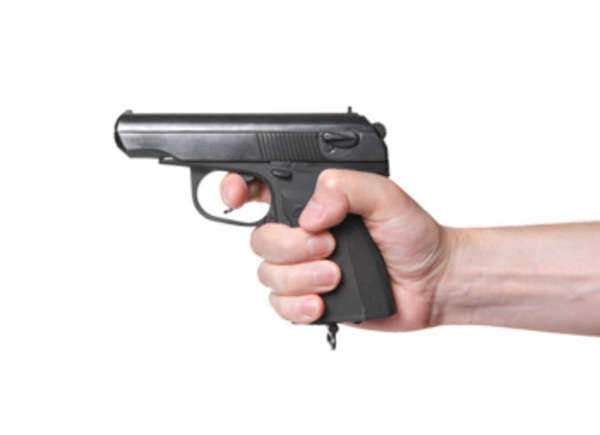
BB guns are typically smaller and lighter than traditional firearms, but they can still pack a punch. BBs are made from metal and can be shot at high speeds, often exceeding 500 feet per second. This can cause serious injury or even death if misused.
The Dangers of BB Guns
Although BB guns may seem like harmless toys, they can actually be quite dangerous. The most common danger associated with BB guns is eye injury. BBs can easily penetrate the skin and can cause serious damage to the eye. Even if the BB does not penetrate the eye, it can cause significant damage by causing a corneal abrasion or retinal detachment.
In addition to eye injuries, BB guns can also cause serious injuries to the body. BBs can penetrate the skin and cause injury to internal organs. They can also cause bone fractures and other types of trauma.
BB guns can also be dangerous if they are not handled properly. Accidental discharge of a BB gun can cause injury to the shooter or others in the area. Children should never be allowed to handle BB guns without adult supervision. Even adults should follow strict safety protocols when handling BB guns to prevent accidents.
📝 See Also
The Regulations Surrounding BB Guns
In order to prevent the dangers associated with BB guns, there are regulations surrounding their use. The Consumer Product Safety Commission (CPSC) is responsible for regulating BB guns and other airguns. According to CPSC regulations, BB guns must meet certain safety standards in order to be sold in the United States.
One of the most important regulations surrounding BB guns is the requirement for a safety mechanism. BB guns must be equipped with a safety mechanism that prevents accidental discharge. The safety mechanism must be easy to operate and must prevent the gun from firing unless the trigger is intentionally pulled.
In addition to safety mechanisms, BB guns must also meet certain standards for velocity and accuracy. BB guns must not be capable of firing a BB faster than 600 feet per second. This limits the potential for serious injury and ensures that BB guns are not used for hunting or other purposes that require more power.
Finally, there are age restrictions surrounding the use and purchase of BB guns. In most states, children under the age of 18 are not allowed to purchase BB guns without adult supervision. Some states have even stricter regulations, requiring children to be at least 14 years old before they can purchase or use a BB gun.
The Risks of Misusing BB Guns
Despite the regulations surrounding BB guns, there are still many people who misuse them. BB guns are often used in backyard games or for shooting at cans and other targets. While this can be a fun activity, it is important to understand the risks associated with misusing BB guns.
One of the biggest risks associated with misusing BB guns is accidental discharge. BB guns should always be treated as if they are loaded, even if they are not. This means that the gun should never be pointed at someone or something that could be damaged or injured if it were to accidentally discharge.
Another risk associated with misusing BB guns is the potential for serious injury or death. BB guns can cause significant harm if they are not used properly. This means that children should never be allowed to handle BB guns without adult supervision and that adults should always follow strict safety protocols when handling BB guns.
Finally, misusing BB guns can lead to legal trouble. In many states, it is illegal to use BB guns for hunting or other purposes that require more power than is allowed by CPSC regulations. Additionally, children who are caught misusing BB guns can face criminal charges, including assault and battery.
Conclusion
BB guns may seem like harmless toys, but they can actually be quite dangerous. The most common danger associated with BB guns is eye injury, but they can also cause serious injuries to the body. To prevent these dangers, there are regulations surrounding the use and sale of BB guns. Children should never be allowed to handle BB guns without adult supervision, and adults should always follow strict safety protocols when handling BB guns.
While BB guns can be a fun activity, it is important to understand the risks associated with using them. By following proper safety protocols and using BB guns responsibly, you can ensure that you and those around you are safe from harm.
What are BB guns?
BB guns are designated as a type of air gun that shoots projectiles, known as BBs. A BB is a ball bearing or "bullet ball", if made of plastic. It was first introduced in 1938 and became a popular toy. It is currently used in both recreational and military/law enforcement training.
What is the difference between a BB gun and an Airsoft gun?
An airsoft gun is technically designated as a BB gun. The difference between them is in the diameter of the "pellet" used in firing and the velocity which the "pellet" travels. BB guns have a range of velocity that varies from 300 ft/s to 1000 ft/s whereas airsoft guns range in velocity from 65 ft/s to 350 ft/s. The significant difference between the two is the size of the BB that is fired. In BB guns the BB is about 4.5 mm in diameter whereas the BB from an airsoft gun can be 6 mm in diameter.
What is the legality of BB guns?
Every state has different laws concerning BB guns. The state of California criminalizes the sale or transfer of airsoft guns but not BBs. The law specifically states that a weapon that expels a projectile not exceeding 6mm caliber is considered a BB device. Many airsoft guns are designed to be imitations of popular and classic firearms. For that reason the federal government requires that there be a 6 inch orange band wrapped around the tip at sale so that the gun can be recognized as an imitation and not an actual lethal weapon. Because traditional BB guns are not developed to be imitations this law is inapplicable.
The state of Massachusetts has instituted a ban on the use of BB guns, of any type, by individuals under the age of 18. Violation of the law results in a $100 misdemeanor fine. Michigan requires owners of BB guns to register the BB gun in the same way one would register a firearm.
What if I own a BB gun?
BB guns are inherently dangerous objects. If you possess a BB gun it is your responsibility to use the utmost caution in operating the object. If you do operate the BB gun in a manner that results in injury to another you could face criminal charges for assault, and depending on the caliber and velocity of the BB shot it could be upgraded to assault with a deadly weapon.
If you have been charged with unauthorized possession of a BB gun, criminal assault or civil action due to an injury or if you have been the victim of an accident involving a BB gun it is in your best interest to consult a criminal or personal injury attorney at your nearest convenience.