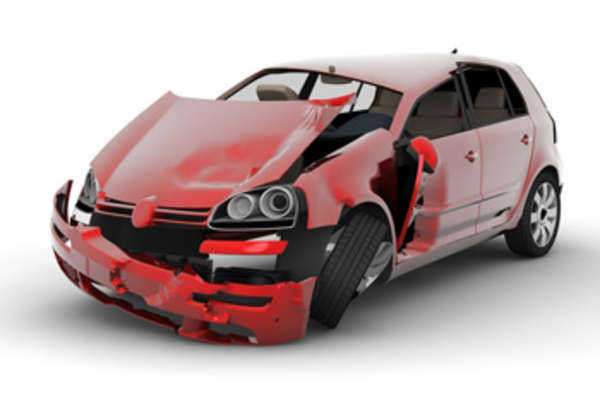
Accident
📅 2026 Update: Changes in Personal Injury Law and Claims
Since the original article was written, there have been notable changes in personal injury law, particularly around traffic fatalities and compensation processes. This update provides new data and insights that are relevant to accident claims, negligence, and the overall landscape of personal injury law. The earlier article continues further down the page, offering foundational information on these topics.
🚦 Traffic Fatalities Decline
Traffic fatalities in the U.S. decreased by 3.6% in 2023, resulting in 40,990 deaths, down from 42,514 in 2022. This decline signals a positive trend but remains higher than pre-pandemic levels. Understanding these statistics is vital for claims related to car accidents, as they can affect insurance rates and public safety laws.
🚶 Pedestrian Deaths Decrease
Preliminary data for 2024 shows a 4.3% reduction in pedestrian fatalities, with 7,148 deaths compared to 7,472 in 2023. This decrease may influence future personal injury claims, particularly those involving pedestrian incidents. It’s an important factor for both victims and insurers when assessing fault and compensation.
💰 Legal Fees and Costs
Legal fees for personal injury lawyers typically range from 33% to 40% of the settlement amount. This figure is essential to consider when pursuing a claim, as it impacts the final amount received. Additionally, filing fees for personal injury lawsuits can vary by state, generally costing between $100 to $400.
⏳ Processing Times for Claims
Insurance companies are required to acknowledge receipt of a claim within 15 days and to make a decision within 30 days. This timeline is crucial for victims seeking compensation after an accident. Personal injury lawsuits may take several months to years to resolve, depending on the case's complexity and court schedules.
📅 Important Deadlines
Most insurance policies require that accidents be reported within 24 to 72 hours. Additionally, the statute of limitations for personal injury claims generally ranges from 1 to 3 years, depending on the state. Meeting these deadlines is critical to preserving the right to compensation.
📌 Key Points Summary
- Traffic fatalities decreased by 3.6% in 2023.
- Pedestrian deaths dropped by 4.3% in early 2024.
- Legal fees for personal injury lawyers range from 33% to 40%.
- Claim processing times require acknowledgment within 15 days and decisions within 30 days.
- Report accidents within 24 to 72 hours to comply with insurance policies.
💡 Tips for Handling Personal Injury Claims
Reviewing the details of your situation with an attorney can help clarify your options and rights.
📄 Gather Medical Records
Collecting all medical records and bills related to your injury is essential. This documentation supports your claim and helps define the extent of your injuries.
📑 Notify Insurance Companies
Notify both your insurance provider and the at-fault party’s insurer as soon as possible after an accident. Timely notification can help expedite the claims process and ensure compliance with policy requirements.
📸 Document the Accident
Thoroughly document the accident scene, including photographs, witness statements, and police reports. This evidence can strengthen your claim and provide clear context regarding the incident.
🏥 Seek Immediate Medical Attention
Always seek medical treatment immediately after an accident, even if injuries seem minor. Prompt medical attention ensures proper documentation and treatment, which is crucial for your claim.
⚖️ Understand Comparative Negligence
Many states follow a comparative negligence rule, which means your compensation may be reduced by the percentage of fault attributed to you. Understanding this can help you prepare for negotiations.
📝 Keep Track of Legal Deadlines
Stay aware of all legal deadlines related to your claim, including those for filing and responding to motions. Missing these deadlines can jeopardize your right to compensation.
❓ Frequently Asked Questions
🛑 What should I do immediately after an accident?
Seek medical attention right away, even if injuries seem minor. Document the accident scene and gather contact information from witnesses to support your claim.
⏰ How long do I have to file a personal injury claim?
The statute of limitations for personal injury claims typically ranges from 1 to 3 years after the accident date, depending on your state. It is crucial to check the specific rules in your jurisdiction.
🏥 Will my medical expenses be covered?
Medical expenses related to your injury can be covered under your personal injury claim. Keep all records and bills to ensure these costs are accounted for in your settlement.
🚨 What if my insurance claim is denied?
If your insurance claim is denied, carefully review the denial letter. You may consider appealing the decision or seeking legal assistance to explore your options.
📋 How can I strengthen my personal injury claim?
To strengthen your claim, gather evidence such as medical records, accident documentation, and witness statements. This information will help support your case and clarify the extent of your injuries.
🤔 What is comparative negligence?
Comparative negligence is a legal rule that reduces your compensation based on the percentage of fault assigned to you in the accident. Understanding this can help you prepare for negotiations with insurers.
⚖️ Recent Court Rulings in Personal Injury Cases
Recent court rulings have highlighted important precedents and interpretations of personal injury law that may affect future claims and compensation processes.
- Texas Court affirms summary judgment in car accident caseTexas Court of Appeals, 4th District (San Antonio) · June 3, 2026
- Court rules against worker in Labor Law injury case appealAppellate Division of the Supreme Court of the State of New York · June 9, 2026
- Court rules on Labor Law case involving construction injury claimAppellate Division of the Supreme Court of the State of New York · June 9, 2026
- Court modifies dismissal of wrongful death suit in New YorkAppellate Division of the Supreme Court of the State of New York · June 9, 2026
For more details, check out more rulings on the news page.
End of October 2026 Update
Accidents: The Surprising Reality
Accidents are an unfortunate reality of life. Whether it is a fender-bender on the freeway or a workplace injury, accidents can happen to anyone, and they can have devastating consequences. In this article, we will explore the different types of accidents, the causes of accidents, and what we can do to prevent them.
Types of Accidents
Car Accidents
Car accidents are one of the most common types of accidents. According to the National Highway Traffic Safety Administration (NHTSA), there were 36,560 deaths due to car accidents in 2018. Car accidents can be caused by a variety of factors, including distracted driving, speeding, and drunk driving.
Workplace Accidents
Workplace accidents are another common type of accident. According to the Occupational Safety and Health Administration (OSHA), there were 5,333 fatal workplace injuries in 2019. Workplace accidents can be caused by a variety of factors, including falls, electrocution, and being struck by an object.
Medical Accidents
Medical accidents are accidents that occur during medical procedures. According to the Institute of Medicine, medical errors cause between 44,000 and 98,000 deaths each year in the U.S. Medical accidents can be caused by a variety of factors, including misdiagnosis and medication errors.
Causes of Accidents
Distracted Driving
Distracted driving is one of the most common causes of car accidents. According to the NHTSA, distracted driving was a factor in 2,841 traffic deaths in 2018. Distracted driving can be caused by a variety of factors, including texting while driving, using a cellphone while driving, and eating while driving.
Speeding
Speeding is another common cause of car accidents. According to the American Automobile Association (AAA), speeding was a factor in 26% of all traffic fatalities in 2017. Speeding can also increase the severity of an accident.
Drunk Driving
Drunk driving is another common cause of car accidents. According to the NHTSA, alcohol was a factor in 10,511 traffic deaths in 2018. Drunk driving can impair a driver's ability to operate a vehicle safely.
Falls
Falls are the leading cause of fatal workplace injuries. According to the Bureau of Labor Statistics (BLS), in 2019, falls accounted for 880 fatal workplace injuries. Falls can be caused by a variety of factors, including slippery surfaces, improper use of a ladder, and tripping hazards.
Electrocution
Electrocution is another common cause of workplace accidents. According to the BLS, in 2019, electrocution accounted for 166 fatal workplace injuries. Electrocution can be caused by a variety of factors, including faulty electrical equipment and improper use of electrical equipment.
Misdiagnosis
Misdiagnosis is a common cause of medical accidents. According to a study by BMJ Quality and Safety, approximately 12 million adults in the U.S. experience diagnostic errors each year. Misdiagnosis can lead to delayed treatment, incorrect treatment, and in some cases, death.
Preventing Accidents
There are several things we can do to prevent accidents:
Distracted Driving
To prevent distracted driving, we should avoid using our cellphones while driving, avoid eating while driving, and avoid other distractions while driving.
Speeding
To prevent speeding, we should abide by posted speed limits and drive at a safe speed for the road conditions.
Drunk Driving
To prevent drunk driving, we should avoid driving after drinking alcohol. If we plan to drink, we should arrange for a designated driver or use ride-sharing services.
Falls
To prevent falls, we should ensure that walkways are clear of obstructions, wear slip-resistant footwear, and use appropriate fall protection equipment when working at heights.
Electrocution
To prevent electrocution, we should ensure that electrical equipment is properly maintained and inspected, and use appropriate personal protective equipment when working near electrical equipment.
Misdiagnosis
To prevent misdiagnosis, we should seek second opinions when necessary, provide healthcare providers with accurate medical histories, and ask questions when we do not understand a diagnosis or treatment plan.
Conclusion
Accidents can happen to anyone, and they can have devastating consequences. We can take steps to prevent accidents by following safe practices and being vigilant. By working together, we can make our roads, workplaces, and healthcare settings safer for everyone.